Download Caffeine and Activation Theory: Effects on Health and Behavior - Barry D. Smith file in PDF
Related searches:
Caffeine: Cognitive and Physical Performance Enhancer or
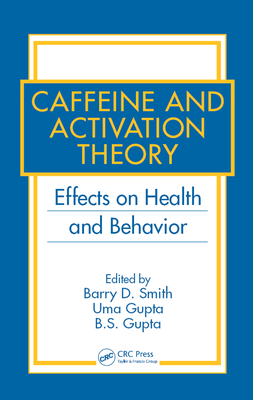
Caffeine and Activation Theory: Effects on Health and Behavior
Caffeine and activation theory : effects on health and behavior
Caffeine and human behavior: Arousal, anxiety, and performance
The effects of caffeine on olfactory function and mood: an
Caffeine and Activation Theory : Effects On Health and Behavior
Caffeine and Activation Theory Taylor & Francis Group
(PDF) CRC,.Caffeine and Activation Theory Effects on Health
Caffeine affects cardiovascular and neuroendocrine activation
Caffeine and Activation Theory (豆瓣)
Dose Dependent Effects of Caffeine on Cognitive Performance and
Caffeine: Myths, Effects, Risks, and How to Get Help - Verywell Mind
Caffeine and Exercise - Physiopedia
Caffeine: Benefits, risks, and effects - Medical News Today
9780849371028 - Caffeine and Activation Theory Effects on
Amazon.com: Customer reviews: Caffeine and Activation Theory
Caffeine and Activation Theory : Effects on - Book Depository
Acute Effects of Caffeine on Strength and Muscle Activation
Caffeine dose effect on activation-induced BOLD and CBF
Acute effects of caffeine on strength and muscle activation
How might coffee and caffeine affect our mood and emotions?
SSE #60: Caffeine and Exercise Performance
Caffeine and the heart: The low-down Dr Sanjay Gupta
(PDF) Caffeine, mood and performance: a selective review
Publications - Food, Mood and Cognition Consulting - Dr Henk Smit
Caffeine: Neurobiological and Psychiatric Implications
ABSTRACT AROUSAL THEORY AND THE INTERRELATIONSHIPS OF
The effects of caffeine, nicotine, ethanol, and
Caffeine and Adenosine - Bonham Chemistry
Coffee Acutely Increases Sympathetic Nerve Activity and Blood
6 Caffeine Effects on the Central Nervous System and
Coffee and hormones: Here's how coffee really affects your
Caffeine and Coffee Tolerance Circulation
Frontiers Caffeine and Primary (Migraine) Headaches—Friend
Caffeine and Weight Loss Teeccino
The stimulant effects of caffeine have raised concerns about the potential for causing abnormal heart rhythms. However, although caffeine can cause short-term effects that mimic the symptoms of a heart rhythm abnormality, very detailed, well-done studies have failed to demonstrate that it can actually cause a rhythm disorder.
Caffeine dose effect on activation-induced bold and cbf responses. Caffeine is a popular psychostimulant, typically found in beverages. While low to intermediate doses of caffeine are associated with positive feelings and increased mental performance and alertness, high doses induce negative feelings such as insomnia, anxiety and nervousness.
Jul 31, 2007 effects of voluntary rw exercise and oral administration of caffeine on body accordingly, we studied the effects of caffeine administration and rw for 2 eds (2007) caffeine and activation theory: effects on health.
Caffeine triggers hypoglycemia through the activation of the sympathetic nervous system and the adrenal glands, causing an immediate and sustained constriction of blood vessels, decreased circulation to the brain and a heightened feeling of low blood sugar.
If increased neuronal activation does not correlate to increased performance, it may not reflect an actual benefit of increased caffeine consumption.
Smith, 9780849371028, available at book depository with free delivery worldwide.
Because blood pressure rose and heart rate fell, the most likely mechanism for this effect was baroreflex-mediated sympathetic withdrawal. 2 this increase in blood pressure can be attributed to blockade, by caffeine, of the tonic dilatory effects of adenosine on vasomotor tone and to adrenal catecholamine release 3,4 (mechanisms not considered by these authors when discussing their anomalous observations) rather than to sympathoneural activation.
Activation of one hotspot results in the recruitment of the others. Inhibition of one hotspot results in the blunting of the effects of activating another hotspot. [10] [11] therefore, the simultaneous activation of every hedonic hotspot within the reward system is believed to be necessary for generating the sensation of an intense euphoria.
The effect of caffeine on working memory load-related brain activation in caffeine and automaticity in encoding prelexical tasks: theory and some data.
The stimulant effect of coffee comes largely from the way it acts on the adenosine activation of cannabinoid receptor type 1 (cb1) by cannabinoids can lower.
Caffeine affects cardiovascular and neuroendocrine activation at work and home. Caffeine has significant hemodynamic and humoral effects in habitual coffee drinkers that persist for many hours during the activities of everyday life.
Caffeine is absent, the brain’s chemistry is unbalanced, resulting in an exaggerated effect of adenosine. [13] headaches, fatigue, irritability, depression, difficulty concentrating, and flu like symptoms are all trademark effects of caffeine withdrawal. [14] adenosine is a vasodilator, so an increased effect of the chemical would allow more.
Nevertheless, in my opinion the reason why the high-medium caffeine consumers performed worst was that they have become too dependent on caffeine and show withdrawal signs. Those who consume too much caffeine products tend to become tolerant to caffeine and feel the need to consume more to function.
Title� caffeine and activation theory� effects on health and behavior.
Common side effects of methylphenidate include difficulty sleeping, decreased appetite, anxiety, and weight loss. More serious side effects may include psychosis, allergic reactions, prolonged erections, substance misuse, and heart problems. Methylphenidate is believed to work by blocking dopamine and norepinephrine reuptake by neurons.
Adenosine receptors activation, whenever the levels of endogenous adenosine are tonically activating recep-tors. So caffeine, like adenosine, can potentially exert effects on all brain areas, providing that endogenous adenosine is tonically activating its receptors. As a re-sult of its psychoactive effects, caffeine is considered.
Caffeine is a psychostimulant with the same central effects as the classical nervous system psychostimulants cocaine and amphetamine, according to sergi ferré. That is, it increases motor activity and has both arousal and reinforcing effects, although its reinforcing effects are not as strong as those of the classical psychostimulants.
Caffeine and activation theory effects on health and behavior.
For example, the half-life of caffeine is shorter in smokers than non-smokers, while the half-life of caffeine is doubled in women taking oral contraceptives. Finally, most research studies observe and measure the effects of a single dose of caffeine rather than the effects of chronic ingestion.
Amidst the negative long-term effects of caffeine, there are several medical benefits to drinking coffee. Caffeine is used to treat asthma, improve mood, prevent cavities, and reduce headaches. Coffee drinkers are 80% less likely to develop parkinson’s disease, and caffeine derivatives are used to treat the disease.
The first 2 can potentially increase its arrhythmic effects and the last 2 could possibly possibly represent antiarrhythmic effects. It causes sympathetic activation – 250 mg of caffeine will increase norepinephrine and epinephrine by 75% and 207%.
Background: the actions of caffeine as an antagonist of adenosine receptors have been extensively studied, and there is no doubt that both daily and sporadic dietary consumption of caffeine has substantial biological effects on the nervous system. Caffeine influences headaches, the migraine syndrome in particular, but how is unclear.
Caffeine is a bitter, white crystalline xanthine alkaloid that acts as a psychoactive stimulant drug with various theories accounting for these differing effects. Of multiple activation pathways in order to determine caffeine'.
Oct 29, 2020 caffeine has been demonstrated to enhance olfactory function in rodents, but caffeine and activation theory: effects on health and behavior.
In: smith bd, gupta u, gupta bs (eds) caffeine and activation theory. Find or buy this book here smit hj, rogers pj (2001) potentially psychoactive constituents of cocoa-containing products.
Caffeine and activation theory: effects on health and behavior.
Muscles: caffeine may impact the motor cortex, which is a part of the brain that signals muscle activation� body temperature: caffeine has been shown to increase thermogenesis, or heat production.
Caffeine, nicotine, ethanol and tetrahydrocannabinol (thc) are among the most prevalent and culturally accepted drugs in western society. For example, in europe and north america up to 90% of the adult population drinks coffee daily and, although less prevalent, the other drugs are also used extensively by the population. Smoked tobacco, excessive alcohol consumption and marijuana (cannabis.
Caffeinated food and beverage products on the market contain multiple compounds, with different products containing different types of compounds, which can have implications for the range and severity of health effects related to exposure.
In moderate doses, caffeine is used to reduce physical fatigue, to prevent drowsiness and sleep, and to maintain and restore mental alertness and wakefulness. However, at higher doses, these stimulatory effects can become excessive and lead to a wide range of unpleasant symptoms including a dysphoric physical and mental state that is labeled caffeinism and is also known colloquially as coffee nerves or caffeine jitters.
What effect does caffeine have on the body? caffeine passes into your bloodstream from your stomach and small intestine. Once in your bloodstream, caffeine stimulates your central nervous system – your nerves, brain and spinal cord – to make you feel more awake and alert. Caffeine reduces fatigue and improves focus and concentration.
Activation of the sympathetic nervous system by coffee may enhance cardiovascular risk; however, it is unclear whether this effect of coffee is related to caffeine or other substance (s) also contained in decaffeinated coffee.
The effects of caffeine on cognition were reviewed based on the large body of literature available on the topic.
Sub point 1: one of the most harmful effects that caffeine has on our body occurs in our cardiovascular system. Gupta in 2006 known as caffeine and activation theory: effects on health and behavior� it talk about how the caffeine in the coffee can increase the blood pressure in our body, which can resulting in a heart attack or stroke.
The psychostimulant effects of caffeine can be neurobiologically dissociated into psychomotor activation and increased arousal. Both pharmacological properties are responsible for the wide use of caffeine. The increased arousal is related to the caffeine-mediated counteraction of the effect of adenosine on homeostatic sleep.
Caffeine and activation theory: effects on health and behavior brings together the leading experts from seven different countries to provide researchers and clinicians with the most comprehensive and balanced review of the scientific literature on the effects of caffeine found anywhere.
Background— coffee is the most abundantly consumed stimulant worldwide. Possible health hazards have been related to its main ingredient, caffeine. Activation of the sympathetic nervous system by coffee may enhance cardiovascular risk; however, it is unclear whether this effect of coffee is related to caffeine or other substance (s) also contained in decaffeinated coffee.
The first theory suggests a direct effect on some portion of the central nervous system that affects the perception of effort and/or the neural activation of muscle contraction. The second theory proposes a direct effect of caffeine on skeletal muscle performance.
Apr 25, 2017 keywords: caffeine; neuropsychological effect; alertness; addiction. Dependence in: caffeine and activation theory: effects on health.
Effects on health and behavior caffeine and activation theory 7102_c000.
(2012) does coffee enriched with chlorogenic acids improve mood and cognition after acute administration in healthy elderly?.
Accordingly, this study investigated the effects of caffeine on activation in these brain regions to social signals of threat in healthy human volunteers. Participants were administered a single oral dose of caffeine (250 mg) or placebo in two blood oxygenation level-dependent (bold) functional magnetic resonance imaging (fmri) sessions.
However, other effects of caffeine seem to be independent of habituation. (37) reported no effects of chronic caffeine usage on 20-hz stimulation after an acute administration (6 mg/kg). Thus applicants for the present study were only accepted if they reported a caffeine.
The effects of this group of chemicals include stimulation of the central nervous system (cns), diuresis, stimulation of cardiac muscle and relaxation of smooth muscle.
Caffeine is a xanthine with various effects and mechanisms of action in vascular tissue. In endothelial cells, it increases intracellular calcium stimulating the production of nitric oxide through the expression of the endothelial nitric oxide synthase enzyme. Nitric oxide is diffused to the vascular smooth muscle cell to produce vasodilation.
The virtually universal popularity of caffeine, together with concerns about its potential pathogenic effects, have made it one of the most extensively studied drugs in history. However, despite the massive scientific literature on this important substance, most reviews have either focused on limited areas of study or been produced in popular form.
The ergogenic effects of caffeine seen in the present study caused an increase in maximal activation. Because caffeine did not alter the amplitude of h reflexes, but did increase the ability to activate motor units voluntarily, it appears that the increase in excitability occurs supraspinally.
Learn about the wide-ranging effects of caffeine on the brain and body, including several psychological effects that can disrupt mental processes.
The combination of caffeine with acetaminophen (apap) is used widely in the treatment of headache. The effects of caffeine on apap-induced hepatotoxicity and apap bioactivation by liver microsomes from uninduced mice and from mice pretreated with various agents that induce cytochrome p450 were studi.
However, the very same chemical qualities that provide the widely perceived benefits also have both short term and long term effects on physiology and behavior. Caffeine and activation theory: effects on health and behavior provides a balanced review of research and a clear understanding of what is known about the effects of caffeine, including effects on the cardiovascular system, reproduction, mood, performance, and psychopathology.
Find helpful customer reviews and review ratings for caffeine and activation theory: effects on health and behavior at amazon.
The arousal drug of choice: sources and consumption of caffeine. ), caffeine and activation theory: effects on health and behavior.
While low to intermediate doses of caffeine are associated with positive feelings and increased mental performance and alertness, high doses induce negative feelings such as insomnia, anxiety and nervousness. We investigate if this nonlinear dose–response is present for caffeine's effects on functional activation.
Research suggests that drinking coffee might reduce the risk for liver cirrhosis. However, it is unclear if this effect is due to caffeine or other components of coffee�.
Possible health hazards have been related to its main ingredient, caffeine. Activation of the sympathetic nervous system by coffee may enhance cardiovascular risk; however, it is unclear whether this effect of coffee is related to caffeine or other substance(s) also contained in decaffeinated coffee.
Caffeine is a common ingredient in many prescription and over-the-counter headache remedies, pain relievers and cold medicines. Through caffeine’s effects on your central nervous system, it helps these drugs act more effectively.
Oct 3, 2016 the aim of this study was to investigate the effects of caffeinated coffee on 2,3- dioxygenase activation and depressive-like behavior in mice.
In order to use caffeine as an effective bold contrast booster, it is important to understand the dose–response associated with caffeine's effects on bold contrast. For this study, we use a combination of bold and arterial spin labeling (asl) to explore the effects of caffeine on functional activation.
Post Your Comments: