Download Stem Cells and Cancer in Hepatology: From the Essentials to Application - Yun-Wen Zheng | PDF
Related searches:
Stem cells and the prostate - Harvard Health
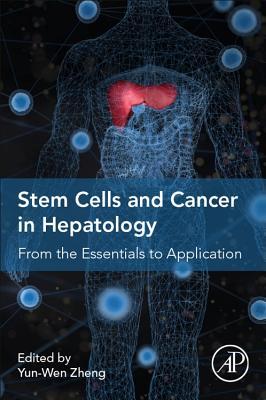
Stem Cells and Cancer in Hepatology: From the Essentials to Application
The clinical, prognostic and therapeutic significance of
Bone Marrow Transplants and Stem Cell Transplants for Cancer Treatment
Squamous Cell Cancer: Types, Symptoms, and Causes
Stem Cells and Cancer in Hepatology ScienceDirect
Stem Cells and Cancer in Hepatology - 1st Edition
[pdf] Download Stem Cells And Cancer In Hepatology Ebook and
Stem cells in gastroenterology and hepatology.
The origin of cancer stem cells - CORE
Immune Stem Cells Treat the Most Common Type of Liver Cancer
Stem cell therapy of the liver - YouTube
Lung and liver cancers: new findings Harvard Stem Cell Institute
Stem Cells and Cancer Ludwig Center Stanford Medicine
JCI - Cancer stem cells in the development of liver cancer
Types of Stem Cell and Bone Marrow Transplants
The Recent Advances on Liver Cancer Stem Cells: Biomarkers
Stem cells and cancer Harvard Stem Cell Institute (HSCI)
Efficacy of Using Cancer Stem Cell Markers in Isolating and
Home Page: Cellular and Molecular Gastroenterology and Hepatology
Overview - Stem Cell and Cancer Biology Laboratory - Mayo
Understanding of leukemic stem cells and - Molecular Cancer
Stem Cells and Cancer in Hepatology Scribd
Sphere-forming culture enriches liver cancer stem cells and
Cancer Stem Cells: Advances in Biology and Clinical
They also let your body recover faster from intense chemotherapy and radiation treatments.
Abstract since leukemic stem cells (lscs) or cancer stem cells (cscs) were found in acute myeloid leukemia (aml) in 1997, extensive studies have been contributed to identification and characterization of such cell populations in various tissues.
Primitive (stem and progenitor) cell state has been implicated as the cell of origin for cancers in various tissues. A large body of epidemiologic studies has identified a number of cancer risk factors, such as sex and age and various genetic, environmental and lifestyle factors.
Summary� stem cells and cancer in hepatology: from the essentials to application offers basic scientists and clinicians in the fields of stem cells, hepatology and oncology an overview of the interaction between liver biology, stem cells and cancer. It discusses how the liver performs regeneration and repair, the role stem cells play in these.
Stationary cancer stem cells are embedded in early carcinomas and these cells are detectable in the differentiated central area of a tumor. The important step toward malignancy is the induction of epithelial mesenchymal transition (emt) in the stationary cancer stem cells (scs), which become mobile or migrating cancer stem cells.
Intratumor molecular heterogeneity of hepatocellular carcinoma is partly attributed to the presence of hepatic cancer stem cells (cscs). Different csc populations defined by various cell surface markers may contain different oncogenic drivers, posing a challenge in defining molecularly targeted therapeutics.
The donor's stem cells are given to the patient after the patient has chemotherapy and/or radiation therapy. Many people have a “graft-versus-cancer cell effect” during an allo transplant. This is when the new stem cells recognize and destroy cancer cells that are still in the body.
It has been put forward that in liver cancer, cancer stem cells (cscs) hold main responsibility for the formation, invasion, metastasis, and recurrence of tumor.
The general term “lung cancer” actually covers a few very different versions of the disease. Lung cancer has two broad types: small cell lung cancer and non-small cell lung cancer.
There is accumulating evidence that cancer stem cells and/or initiating cells (cscs) are involved in the aggressiveness and chemoresistance of hepatobiliary cancers. Many hepatobiliary cscs markers have been identified, as well as therapeutic targets.
A subset of stem cells, termed “side population” (sp) cells, has been identified and characterized in several mammalian tissues and cell lines. However, sp cells have never been identified or isolated from gastrointestinal cancers.
Radiation therapy and chemotherapy aimed at killing cancer cells may have the undesirable effect of helping to create cancer stem cells, which are thought to be particularly adept at generating.
Embryonic stem cells can morph into any cell in the human body. By jeanna bryner - live science managing editor 18 april 2019 the term stem cells has become part of the mainstream lexicon, likely to be overheard in conversations anywhere.
The stem cells that were given do not go into the bone marrow and multiply like they should. Graft failure is more common when the patient and donor are not well matched and when patients get stem cells that have had the t-cells removed. It can also happen in patients who get a low number of stem cells, such as a single umbilical cord unit.
Csc have similar characteristics to normal stem cells and are responsible for cancer recurrence, chemoresistance, radioresistance and metastasis. Liver cancer stem cells (lcsc) are identified via specific surface markers, such as cd44, cd90, cd133, and epcam (cd326).
Sep 14, 2016 keywords: cancer stem cellshepatocellular carcinomamolecular li l, lin b: recurrent targeted genes of hepatitis b virus in the liver cancer.
Stem cell transplants are procedures that restore blood-forming stem cells in people who have had theirs destroyed by the very high doses of chemotherapy or radiation therapy that are used to treat certain cancers. Blood-forming stem cells are important because they grow into different types of blood cells.
Hepatocellular carcinoma is the most common primary malignancy of the liver in adults. It is also the fifth most common solid cancer worldwide and the third leading cause of cancer-related death. Recent research supports that liver cancer is a disease of adult stem cells.
Stem cells are undifferentiated, or unspecialized, cells that are able to renew and regenerate themselves through the process of cell division. Two prostate what can we help you find? enter search terms and tap the search button.
Stem cells and cancer in hepatology: from the essentials to application offers basic scientists and clinicians in the fields of stem cells, hepatology and oncology an overview of the interaction between liver biology, stem cells and cancer.
The ludwig center for cancer stem cell research and medicine at stanford is dedicated to investigating cancer and its treatment from.
Hepatocellular carcinoma is one of the most common cancers and the second leading cause of cancer-related deaths worldwide. Only a small proportion of patients benefit from curative treatment and the prognosis is very poor for the majority of cases due to late presentation, resistance to chemotherapy and high recurrence rate. In recent years, progress in stem cell biology allowed us to explain.
Identification of local and circulating cancer stem cells in human liver cancer. Cd13 is a therapeutic target in human liver cancer stem cells.
Like a plate of poisoned cookies from grandma, cancer could be coming from an unlikely place. Increasingly, some research is pointing to stem cells, usually thought of as a promising disease cure-all.
Several hepatic stem/progenitor markers are useful for isolating a subset of liver cells with stem cell features, known as cancer stem cells (cscs). These cells are responsible for tumor relapse, metastasis, and chemoresistance.
Cancer stem cells (cscs), a minority population with stem cell‐like characteristics, play important roles in cancer development and progression. Putative csc markers, such as cd13, cd90, cd133, and epithelial cell adhesion molecule (epcam), and side population (sp) technique are generally used in an attempt to isolate cscs.
Cancer stem cells (csc), or cancer cells with stem cell properties, have been reported in many human tumors and are thought to be responsible for tumor initiation, therapy resistance, progression, relapse, and metastasis. Despite their potential clinical importance, how cscs are regulated at the molecular level is not well understood.
X hepatoblastoma is the most common type of malignant pediatric liver cancer, which affects children in their first 3 years of life. A substantial number of patients with hepatoblastoma experience metastasis and are faced with aggressive tumors that are characterized by multiple nodules at diagnosis, vascular invasion, chemoresistance, and relapse.
Find the best stem cell treatment for liver cirrhosis in many patients, untreated liver function progresses to liver cancer which carries a very high mortality.
Two studies by hsci scientists advance our understanding of cancer two new studies by harvard stem cell institute (hsci) scientists give important insights.
Dec 19, 2013 the diverse etiology of hcc includes hepatitis b virus (hbv) and hepatitis from cancer stem cells (cscs), which can contribute to tumor het-.
The radiotherapy and chemotherapy have a good chance of killing the cancer cells. So your team either collect: your own stem cells before your high dose chemotherapy; or a donor's stem cells� after the treatment you have the stem cells into your bloodstream through a drip.
Abstract cancer stem cells (csc) have attracted attention as therapeutic targets; however, csc-targeting therapy may disrupt normal tissue homeostasis because many csc molecules are also expressed by normal stem cells (nsc).
In the lab, they grew colon cancer stem cells isolated from a patient, and exposed the cells to a walnut extract. After two days of exposure, the number of cancer stem cells treated with walnut extract declined by 34 percent. By six days, there was a stunning 86 percent suppression of cancer stem cell growth.
Dec 21, 2016 the research of michael manns and tobias cantzhannover medical school.
Yue zhao, yong-ning zhou, division of gastroenterology and hepatology,.
Stem cells are cells that can self renew (divide and duplicate themselves) and develop into different types of cells stem cells are cells that can self renew (divide and duplicate themselves) and develop into different types of cells, such.
Did you know that one-third of all cancer cases are preventable or that some cancer cells are caused by viruses? cancer cells are abnormal cells that reproduce rapidly, maintaining their ability to replicate and grow.
Both cancer cell heterogeneity and plasticity constitute major barriers to effective and durable clinical treatments. Ever since the revival of the cancer stem cell research field in the last two decades, we have made great strides in identifying and elucidating the biology of cancer stem cells in virtually all tumor systems.
What is squamous cell cancer? squamous cell cancer (scc), also known as squamous cell carcinoma, is a type of skin cancer that begins in the squamous cells. Squamous cells are the thin, flat cells that make up the epidermis, or the outermos.
In recent years, progress in stem cell biology allowed us to explain that hierarchically organized cancer stem cells (cscs) drive histological and functional heterogeneity of hematological malignancies and solid tumors.
So, there is a current need of development of new agents targeting these cancer stem cells in order to overcome resistance to therapeutic procedures. The present review article is focused on new cancer cell targeting agents like salinomycin, apopotin etc and their mechanisms to target cancer stems cells will be discussed.
Allan mufson, chief of cancer immunology/hematology branch division of cancer biology at the national cancer institute.
In breast cancer, numerous preclinical studies have led to a generalized model of breast csc regulation through the microenvironment in which ils, chemokines, growth factors, wnts, and other proteins secreted by fibroblasts, macrophages, endothelial cells, immune cells, and mesenchymal stem cells activate pi3k/pkb, stat3, wnt, and the nf-κb.
Mounting evidence indicates that cancer stem cells (cscs) are mainly responsible for cancer aggressiveness, drug resistance, and tumor relapse. Cd44, especially cd44v isoforms, have been identified as csc surface markers for isolating and enriching cscs in different types of cancers.
Cord blood transplant they can all be called hematopoietic stem cell transplants. In a typical stem cell transplant for cancer, very high doses of chemo are used, sometimes along with radiation therapy, to try to kill all the cancer cells.
Since the endogenous mutation rate of all human cell types appears to be nearly identical (23, 24), this concept predicts that there should be a strong, quantitative correlation between the lifetime number of divisions among a particular class of cells within each organ (stem cells) and the lifetime risk of cancer arising in that organ.
If more donor stem cells are available, it can be treated with a second transplant, or with an infusion of residual lymphocytes -- a type of white blood cell -- from the donor.
Mar 29, 2017 several conditions increase a person's risk of developing hcc: hepatitis b, hepatitis c, cirrhosis, obesity, diabetes, iron buildup in the liver,.
Chiba t, kita k, zheng y-w, yokosuka o, saisho h, iwama a et al (2006) side population purified from hepatocellular carcinoma cells harbors cancer stem cell-like properties.
In an allogeneic transplant, stem cells are collected from a matching donor and transplanted into the patient to suppress the disease and restore the patient’s immune system. An allogeneic stem cell transplant is different from an autologous stem cell transplant, which uses stem cells from the patient's own body.
Recent evidence suggests that a subset of hepatocellular carcinomas (hccs) are derived from liver cancer stem cells (lcscs). In order to isolate and characterize lcscs, reliable markers that are specific to these cells are required. We evaluated the efficacy of a range of cancer stem cell (csc) markers in isolating and characterizing lcscs.
Post Your Comments: