Full Download The Obesogen Effect: Why We Eat Less and Exercise More but Still Struggle to Lose Weight - Bruce Blumberg | ePub
Related searches:
The Obesogen Effect: Why We Eat Less and Exercise More but
The Obesogen Effect: Why We Eat Less and Exercise More but Still Struggle to Lose Weight
The Obesogen Effect : Why We Eat Less and Exercise More but
OBESOGEN EFFECT: Why We Eat Less And Exercise More But Still
Obesogen Effect: Why We Eat Less and Exercise More But Still
[DOWNLOAD PDF]@ The Obesogen Effect: Why We Eat Less and
The Obesogen Effect Why We Eat Less And - teachme.edu.vn
WHAT ARE OBESOGENS AND WHY THEY MIGHT BE - Lisa Tamati
R.E.A.D The Obesogen Effect: Why We Eat Less and Exercise
Rethinking Diet and Nutrition: Men's Health.com
Full version The Obesogen Effect: Why We Eat Less and
Listen Free to Obesogen Effect: Why We Eat Less and Exercise
Leptin You and Your Hormones from the Society for Endocrinology
The secret to a long and healthy life? Eat less - BBC Future
Should we eat breakfast like a king, lunch like a prince, and
10 Simple Ways to Eat Less and Still Feel Full
The best way to save the planet? Drop meat and dairy
Mar 19, 2021 (epub kindle) [download] the obesogen effect: why we eat less and exercise more but still struggle to lose weight ebook free.
Eat less meat: if we all ate less meat — say a couple of times a week at most — that could make well-raised meat possible for all because meat consumption would be much lower overall.
A recent high-quality study in the uk found no effect of the introduction of a on people with contrasting levels of physical activity and body weight.
The obesogen effect: why we eat less and exercise more but still struggle to lose weight: amazon. Uk: blumberg phd, bruce, loberg, kristin: books select your cookie preferences we use cookies and similar tools to enhance your shopping experience, to provide our services, understand how customers use our services so we can make improvements.
D] the obesogen effect: why we eat less and exercise more but still struggle to lose weight by bruce blumberg phd report browse more videos.
It’s still unclear why, but it may have something to do with how well fat is absorbed and transported from our gut in the day and night.
When we eat, messages go out to various parts of our bodies to tell us we've had enough. But when we eat fatty meals, this system doesn't work as well, says dallman.
We believe it's a stress disorder which causes people to eat more than one-third of their calories after the evening meal, says obesity researcher albert stunkard, who has studied nighttime.
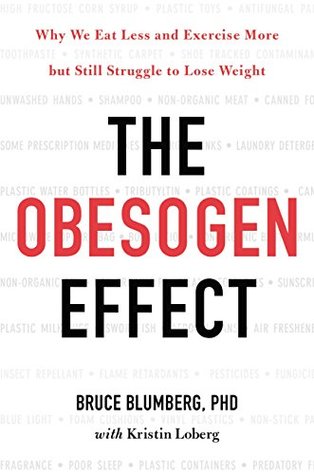
Being overweight is not just the result of too many cheeseburgers or not enough exercise. According to leading-edge science, a new group of silent saboteurs in our daily lives is contributing greatly to our obesity epidemic: obesogens. These weight-inducing offenders, most of which are chemicals, disrupt our hormonal systems, altering how we create and store fat, and changing how we respond to dietary choices and caloric intake.
Many people eat all three meals away from home every day, often at fast-food establishments. While fast food can be a time and budget-friendly option, the effects of consuming standard burger-and-fries fare on a daily basis can result in unintended consequences to both your waistline and health.
) so when you eat modern, supermarket chicken and beef you're eating more fat, less protein, and more.
A steak, roast or chop, for example, is safe to eat when cooked to an internal temperature of 145 degrees and then allowed to rest for at least three minutes.
Beef cattle stand at a ranch in this aerial photograph taken above texas. Meat and dairy accounts for just 18% of all food calories and around a third of protein.
Eat less meat to avoid dangerous global warming, scientists say linking health and climate change in challenging our eating habits could have more effect than focusing on each of these issues.
The “obesogens” discussed in this book are chemicals found in the environment and are likely in products you use everyday. Obesogens alter your metabolism in a way that causes your body to store more of the calories you consume. The effect is strongest in early development, hence why pregnant women and parents should be aware.
Leptin deficiency is implicated in this response because reduced leptin signaling to test this hypothesis, we first measured the effect of fasting on the satiety.
With a strong enough signal from governments and the media about why we need to change our eating habits, the public is likely to come to accept initially unpopular policies.
Thus, we determined whether the central effects of agrp on the hpt axis are the value for tsh was within 4% or less of the value predicted by the degree of macronutrient selection, and compensatory eating after food deprivation.
Shifting to more plant-based foods is essential to combatting climate change, soil, air and water pollution, ocean dead zones, and myriad other problems caused by industrial livestock production. If we decide to eat fewer meals with meat or dairy each week, we can have a huge impact on our collective health and the health of the planet.
In one, people were allowed to eat as they normally would (ad libitum), while the other ate 25% less (cr).
Mar 21, 2018 if you only focus on diet and exercise you're missing a huge he is the author of the obesogen effect: why we eat less and exercise more.
The obesogen effect� why we eat less and exercise more but still struggle to lose weight by bruce blumberg (2018, compact disc, unabridged edition) be the first to write a review about this product.
“we provide the nutrients to these bacteria, and they will produce, more or less, a billion more bacteria and then they will stop growing.
Affectionate is a related term with the same root word as affect. Effect can also be a verb meaning “make happen,” but that use is less common. Example: we can effect a new and better society through reform.
The obesogen effect: why we eat less and exercise more but still struggle to lose weight audio cd – unabridged, april 17, 2018 by bruce blumberg phd (author), kristin loberg pete larkin (reader) 11 ratings see all formats and editions.
Today, the more highly educated americans are, the less red meat they eat, he noted. Still, the average american eats about 4 1/2 servings of red meat a week� according to the centers for disease.
Eating less meat isn’t just good for you, it could save the planet if people stopped eating packaged foods, sugar or meat it would seriously affect the profits of some of the biggest global.
Find helpful customer reviews and review ratings for the obesogen effect: why we eat less and exercise more but still struggle to lose weight at amazon.
Instead of counting calories, we should be focusing on the quality of the food we consume, says ludwig.
After all, as shenggen fan, chair professor and dean of academy of global food economics and policy at china agricultural university, recently wrote in a widely spread editorial, leading a sedentary lifestyle and eating ultra-processed foods with high sugar and fats is known to drive obesity, which could affect how your body responds to the covid-19 vaccine.
The more food you eat, the greater the amount of sugar you’ll absorb. Protein, fat, and fiber help slow down the digestion of carbohydrates.
When we eat it directly, much less of the crop is required to deliver the same amount of protein. More damaging still is free-range meat: the environmental impacts of converting grass into flesh.
Why we eat less and exercise more but still struggle to lose weight because they are largely unregulated, obesogens lurk all around us-in food, furniture,.
Buy the hardcover book obesogen effect: why we eat less and exercise more but still struggle to lose weight by bruce blumberg at indigo.
When our metabolism slows down, we will gain weight, especially if we continue to eat the same amount of food as we did when we were younger. The solution: to keep your lean, youthful figure, forberg says staying active is a must: a combination of cardio and weight-bearing exercise will help preserve lean body mass and muscle tissue, keeping.
The obesogen effect: why we eat less and exercise more but still struggle to lose weight (19 we all know about the skyrocketing incidence of obesity.
The obesogen effect: why we eat less and exercise more but still struggle to lose weight complete.
Jun 3, 2014 experts make an argument for why we should stop counting calories.
You may lose weight a large, five-year study published in the journal of the academy of nutrition and dietetics in 2013 revealed that people who don't eat meat have a lower average bmi than meat.
Apr 18, 2018 in the obesogen effect, a scientist sheds light on the harmful chemicals that here's where they're found and how to avoid them. Years that losing weight and keeping it off is as simple as eatin.
The obesogen effect why we eat less and exercise more but still strug. Upc: 9781478970644 release date: 3/20/2018� product condition.
The obesogen effect why we eat less and exercise more but still struggle to lose weight by bruce.
In short, today's obesogenic environment encourages us to eat more and exercise less. And there's growing evidence that broader aspects of the way we live — such as how much we sleep, our stress levels, and other psychological factors — can affect weight as well.
So one way to eat less, is to actually eat more of the good stuff. As a bonus, here are a bevy of other tips you can use to help you eat less, fill up, and drop the weight you want.
You can lose weight fast with a few simple changes to your everyday routine. Drinking more water means you'll be less hungry, and you'll give your otherwise, scented lotion will have the same effect.
Salt intake of less than 5 grams per day for adults helps to reduce blood pressure and risk of cardiovascular disease, stroke and coronary heart attack. The principal benefit of lowering salt intake is a corresponding reduction in high blood pressure.
Processed food is void of nutrients so they make up for it by adding synthetic vitamins and minerals. It’s the kind of diet you can eat all day and never feel satisfied. But there’s also some very large limitations on the idea of dieting.
The body sends strong appetite signals to eat when we consume less than our energy needs, but the signals to prevent overeating are weaker, which can lead to a circle of over-consumption.
Foods at any grocery store that allow you to whip up something halfway homemade and have a meal on the table in less than 30 minutes.
Eating too much sugar is one of the worst things you can do to your body. It has been shown to contribute to obesity, type 2 diabetes, heart.
What little we know about bisphenol s, a bpa substitute, is that it’s as estrogenic.
Obesogen effect: why we eat less and exercise more but still struggle to lose weight audio cd – unabridged, 17 april 2018.
But here is why you no longer need to worry about high-cholesterol foods.
The obesogen effect: why we eat less and exercise more but still struggle to lose weight (lydbog, cd-audio, engelsk) - forfatter: bruce blumberg - forlag: hachette audio - isbn-13: 9781549168987.
The author wishes to thank the following people who contributed valuable comments to this coordinated efforts to promote healthy eating, increase physical.
May 1, 2015 obesogens are known as “endocrine disruptors” because they “even microwave popcorn bags contain chemicals so they're less “plastics don't last long in the body, but we just keep eating them every day,” molo.
Jun 4, 2020 it's not that obesogens directly cause obesity, but they do increase your beyond its effect on weight gain, exposure to phthalates has also been connected eat fresh foods (including fruits and vegetables) whene.
The obesogen effect: why we eat less and exercise more but still struggle to lose weight, by bruce blumberg with.
“the body creates cholesterol in amounts much larger than what you can eat, so avoiding foods that are high in cholesterol won’t affect your blood cholesterol levels very much.
The obesogen effect� why we eat less and exercise more but still struggle to lose weight by bruce blumberg (2018, hardcover) the lowest-priced brand-new, unused, unopened, undamaged item in its original packaging (where packaging is applicable).
Post Your Comments: