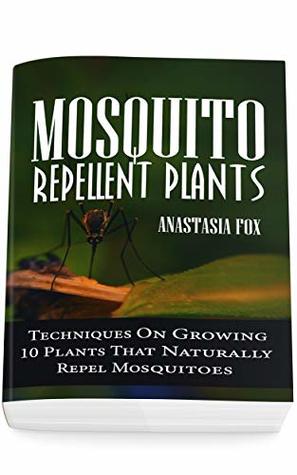
Full Download Mosquito Repellent Plants: Techniques On Growing 10 Plants That Naturally Repel Mosquitoes - Anastasia Fox file in PDF
Related searches:
This chemical has been found to be the very best mosquito repellent. If deet’s not your thing, use the natural, citronell-containing stuff, but apply it often as it evaporates fairly quickly. Also, reduce populations of mosquitoes by eliminating their breeding grounds: standing water.
Jul 3, 2020 another method that i use to deter mosquitoes is burning branches of herbs over the fire pit (or campfire).
Here are the top 10 mosquito repelling plants that we recommend: marigolds you can either plant new seeds or grab a potted marigold from a nursery nearby – either way, just make sure you place your marigolds in the area where you and your guests are probably going to spend most of your time.
These techniques will even add to the charm of your garden by emitting a different kind of fragrance to the atmosphere. This method is by putting in plants in your yard, which are natural mosquito repellents. Other than forcing out these pesky bugs, they provide a sweet aroma to your garden as well.
One of my favorite plants, you can find citronella grass if you live in a tropical area! citronella plants are widespread throughout the world, and it is definitely one of the most researched and well-known mosquito repellent plants, especially as it contains a chemical compound known as citronellol.
Catnip, a type of catmint plant, has been proven to be a better bug repellent than deet, an ingredient commonly used in commercial bug repellents. Catnip contains nepetalactone, which is an essential oil – it’s what repels those awful mosquitoes. It blooms from summer to fall and features pretty purple flower stalks.
There is no plant that when growing in your garden or landscape that will keep mosquitoes away. Any plant that actually produces a mosquito repellent must be crushed to release the repelling oils. Furthermore, many of the plants touted to be mosquito repellent actually are the least effective even when crushed and applied.
Many perennials that repel mosquitoes work well when paired with another plant type, so get to know the plants that work well together in your vegetable garden or yard. Plants that repel mosquitoes may also work as wasp repellent plants, as well, so explore your options before planting.
Jul 9, 2020 don't worry anymore about those pesky bugs, try some of these mosquito repelling plants! natural pest control, gardening hacks, garden pest.
The essential oils of many plants are also well known for their pest-repellent properties. Oils from the families lamiaceae (mints), poaceae (true grasses), and pinaceae (pines) are common haematophagous insect repellents worldwide. Plants that can be planted or used fresh to repel pests include:.
You can extract the oil yourself or get it from your local stores and make a lavender-based body oil that you can use to nourish your skin and repel unwanted insects.
Mosquitoes are not going to get a whiff of that potted plant and head in the other direction. There is a huge long list of nursery-grown plants that now claim mosquito-repellent properties including the well known citronella, lemon balm, catnip, even lavender and basil.
We know that plant extracts and oils are effective as mosquito repellents, but there’s a variety of mosquito repelling plants also help keep pesky insects away. “mosquito repelling plants tend to be highly aromatic,” says amy lawhorne, vice president of mosquito squad� a national tick and mosquito control company.
There are a number of plants that mosquitoes and other biting insects dislike, mainly strong-smelling herbs and flowering plants. Creating a mosquito-repelling container garden that can be set in the entertaining space, like a patio, deck, or lawn allows you to move the planter to pretty up the party while keeping mosquitoes from ending it early.
6 effective mosquito repellent methods opt for led light bulbs: mosquitoes are more attracted towards the standard bulb as compared to the led light bulbs.
Plants with pungent scents are among the most effective insect deterrents, and many of these are herbs, so the plants have two purposes. In addition, some deterrent plants also attract beneficial insects you want in the garden. This is another type of companion planting that is proving to have great use for gardeners.
These chemicals repel mosquitoes and are toxic to many home and garden pests. It’s mild to moderately repellent against mosquitoes, moths, and fleas.
Keep plants full by pinching the growing stems and flower buds when they appear. A bright, hardy annual plant, marigolds are a great choice for repelling mosquitoes. Marigolds contain pyrethrum, an ingredient found in many insect repellents, and they have a unique aroma which bugs find repulsive.
Try growing mosquito plant for its good looks and lemony fragrance. When rubbed against the skin, leaves can help repel mosquitoes.
Tip: sprinkle dill leaves on squash plants to repel squash bugs. Growing this herb is easy to do indoors and in pots as this flowering herb loves to spill over edges of pots or low walls. Part of the mint family, oregano can double as an insect repellent to protect the plants in your garden and backyard.
Basil is a favorite kitchen spice that is in almost everyone’s spice cabinet. The strong scent of basil makes our mouths water but makes mosquitoes flee the scene in a hurry. Mix basil in with other mosquito repelling plants like citronella and rosemary.
Mar 29, 2019 mosquito repellent plants to help you battle the bloodsuckers. Yourself but as a short-term method to keep mosquitoes away, you can burn.
A prospective study based on a survey and field evaluation of selected plant- based personal protection methods against mosquito bites.
Jul 1, 2014 we spoke with kiera butler about the truth behind bug spray and to the increase of insect borne illnesses, deet is a tested-and-true method.
Common mint and lavender plants are also well-known for their general insect-repelling qualities. Other mosquito repelling plants include tansy, cedar, eucalyptus, ageratum, onions, and garlic. You can place these plants outside or even in window boxes or around doors to discourage the mosquitoes from flying inside.
Buy mosquito repellent plants: techniques on growing 10 plants that naturally repel mosquitoes at desertcart.
Jan 13, 2017 they find their other food, nectar, using similar methods. Since some things attract mosquitoes, it isn't too surprising that other things repel them.
‘citrosum’ contains less than 1 percent of citronellal, the compound that has the insect-repelling properties. It’s a pretty plant, and it smells good, so if you’d like to add one to your landscape, please do; you can get a live, 4-inch plant from burpee.
The best mosquito repelling plants for your garden are lavender, marigolds, citronella grass, catnip, rosemary, basil, scented geraniums and more. Their leaves and flowers emit smells that naturally deter mosquitoes and other insects, but are pleasing to people.
Mosquito repellent plants: techniques on growing 10 plants that naturally repel mosquitoes. Mosquitoes are annoying pests that carry an array of diseases which could cause health problems to you and your family. It is important to take as many steps as possible to keep these insects away from home.
This perennial plant contains cinnamate which is the thing that gives it its flavor. The plant has a range of practical uses outside of mosquito repelling, such as enhancing the flavor of other nearby fruits.
Which plants repel mosquitoes? despite the claims made on “mosquito plants” (lemon-scented geranium or “citronella plant”) sold at big box stores, the plants themselves don’t repel mosquitoes. It’s the oil inside the leaves that have properties that can repel mosquitoes.
You’re probably most familiar with citronella candles to repel mosquitoes, but the smell comes from a plant called cymbopogon nardus, which gives off a distinct beach grass vibe.
Some plants have strong scents that bugs don’t like, making them good insect repellents. Uncle sam wants you to clean up your yard to fight zika at the same time, they make attractive additions.
Three of the plants that are traditionally used in the region, identified by focus group, and positively.
Mosquito-proof your yard (without chemicals) with these ideas from hgtv. Com, from mosquito-repellent plants to diy citronella candles.
However, having garlic around will do that, and you have to at least check it out for yourself. Garlic has a very strong smell, so it’s obviously one of the mosquito repellent plants. It’s a great one, and it will provide some amazing benefits.
The most effective of these methods is by extracting its oils. To utilize this method, simply grind its flowers and apply to the areas of your skin where mosquitoes like.
Sep 15, 2020 learn about five natural mosquito repellents that are derived from natural as plants and other alternative methods to keep the biting bugs away.
Mosquito bites not only cause itching on the skin, but also carry the risk of spreading diseases such as dengue and malaria. But not only that, but even worse, dengue fever and malaria have the potential to cause death. Naturally, there are many people who try desperately to repel mosquitoes using mosquito repellent sprays or lotions.
Working as natural mosquito repellents, their strong fragrance and essential oils are the key to keeping these pests away. Incorporate these plants in your flower bed or create a container garden. Container gardens with mosquito repellent plants are a great way to protect seating areas or patios where you and your family spend the most time.
For example, lavender emits a delicious scent to humans that evokes a sense of relaxation, but mosquitoes find the smell repulsive.
Mosquitoes can be incredibly persistent, and sometimes adding mosquito-repelling plants to your yard just isn’t enough. To keep mosquitoes at bay, try some of the following: trim weeds and keep lawns short (approximately 3” in height) – mosquitoes like to rest on low-lying vegetation.
Calendula emits a musky scent, which makes mosquitoes deter away from the surroundings. It contains a pyrethrum compound, which is used as an anti-mosquito repellent. 15 hours of protection from these insects making it one of the mosquito repelling plants.
Mosquito-repellent plants work best when their leaves are crushed, as they’ll release a fragrance in their oils. Therefore, many of these plants are the most effective when their leaves are burned, crushed up and mixed with a carrier oil to be used as a bug spray, or as companion plants for other species.
Mint: the essential oils found in mint plants—as well as other members of the mint family, like sage, peppermint, hyssop, lemon balm, oregano, and catnip—are all worthy mosquito repellents. Studies have indicated that catnip essential oils are more effective at repelling mosquitos than the chemical deet, which is used in most synthetic.
Mosquito-repelling techniques probably have existed since humans first plants provided a means for them to repel mosquitoes without harming the creatures.
Catnip contains the chemical nepetalactone, which is a strong mosquito repellent and feline attractant. This and other chemicals make it more effective than deet, a chemical found in most insect repellants. This makes it a top choice among the list of plants that repel mosquitoes.
Mosquitoes, that’s who! commonly grown as ornamental border plants, these hardy annuals help deter mosquitoes by giving off several compounds that act as natural insect repellents. While your kitty may want nothing more than to spend lots of time rolling in catnip, mosquitoes are much less enthusiastic about this plant.
The oil from peppermint plants works wonders at repelling mosquitoes, as well as stopping the itching associated with a bad bite. Not to mention, peppermint goes great in hot chocolate and other.
Lavender contains pinene and linalool, both of which make lavender plants great mosquito repellent plants. Many other compounds make up lavender, but these two are largely responsible for repelling mosquitoes. It can produce flowers the first year, but the leaves often contain as much oil as the flowers.
Post Your Comments: